Categories
Traditional Style

Deba Knife

The Deba is a sturdy and wide Japanese-style kitchen knife with a thick spine and a sharp blade edge that is pointed at the tip. It is traditionally used for cleaning, filleting and beheading whole fish, although its sturdiness and weight means that it’s commonly used for breaking down poultry and other meat with small bones as well. The Deba knife is not suitable for cutting through large or thick bones, and applying pressure that is perpendicular to the blade length is not recommended as this can chip or crack the blade.

As with traditional Japanese knives, most Debas are single bevel knives, meaning that only one side of the blade is ground to form a razor-sharp edge. Combined with the Deba’s significant weight, the wide asymmetrical blade allows you to effortlessly glide through delicate fish and create deep, clean cuts once you have mastered the technique of using single bevel Japanese knives.

What does Deba mean?

Literally translated, ‘Deba’ means ‘pointed carving knife’.

However, be warned that the Deba is nothing like a Western-style carving knife which usually features a long and narrow blade to thinly slice large cooked meats like poultry, roasts, and hams. It is also completely different from a Western-style filleting knife, which is usually slim and flexible. Instead, the Deba knife is a heavy, robust knife featuring a thick, wide blade with a pointed tip. It is mostly used for breaking down whole fish.

What is the Deba knife best used for?

A Deba knife is best for working with whole fish, including filleting, cutting through fish bones, and beheading the fish. Its significant weight and the razor-sharp edge of the blade allows you to make strong cuts and cleanly slice through even the toughest parts of the fish, such as its head. It is also common to see a Deba knife being used for breaking down poultry and cutting through other meat with small bones, but it is not suitable for use for cutting through thick bones.

Like most Japanese knives, the Deba is a specialized knife that works best when doing what it was created to do. The Deba knife is especially practical when working with whole fish, as every part of the blade serves a specific purpose:

  • The sturdy heel allows you to easily remove the fish head and tail without damaging the knife, and cut through small bones
  • The smaller pointed tip allows you to feel the bones and helps filet the flesh from the bones
  • The center of the edge allows you to glide along the spine and carve as closely to the bone as possible; it can also be used for slicing, filleting and removing fish skin and scales

If you’re used to using a Western-style fillet knife or even just your chef’s knife for handling fish, the Deba may feel a little foreign in your hands at first. But with just a little practise to master the cutting technique, the Deba will minimize damage to your fresh fish, reduce waste and produce beautifully deep and precise cuts, making you feel like a master in the kitchen.

Here’s an example of how you can fillet a Kingfish like a pro with a Deba knife

Deba knife characteristics

Size

The Deba knife is designed to work with whole fish, including removing the head of the fish. For this reason, it is especially important for a Deba knife to be heavy with a sharp blade, while feeling well balanced in the user’s hand, both in its weight and length.

The Deba knife is available in several styles, but the most common is the Hon-Deba (literally, ‘true deba’). Hon-Deba knives have sharp, tough blades that are typically 150mm to 330mm in length, and are 5mm to 9mm thick. For the average user, a 180mm blade length is recommended, however it is best to match the size of the blade to the size of the fish that you will cut and fillet.

Shape

The blade is wide at the heel and tapers towards the cutting edge, leading to the pointed tip. The spine of the blade is thick, and the more obtuse angle on the back of the heel allows the Deba knife to cut off the heads of fish without damage.

Edge

The extremely sharp edge of the Deba is due to the single bevel blade (also called a chiseled edge), which is a typical characteristic of traditional-style Japanese knives. Simply put, single bevel means that the blade is ground (sharpened) on only one side, usually at an acute angle between 10 to 15 degrees. This gives the blade an extremely sharp edge.

When using a single bevel knife, only the cutting edge of the blade touches the food, making it ideal for achieving clean cuts that preserve the natural freshness, flavor and texture of the food. Compared to a double bevel blade which is usually sharpened at 20 to 30 degrees, you can see why the extremely fine and sharp edge from a single bevel Deba knife is the perfect tool for cutting through delicate, softer products like fish.

Most single bevel knives are created for right-handed cooks, so if you are left-handed, be sure to look for left-handed Deba knives.

Handle

Knife handles can be categorized into two categories: the traditional Japanese ‘Wa-Handle’, or a ‘Western Handle’. Most Deba knives feature a wooden Wa-Handle.

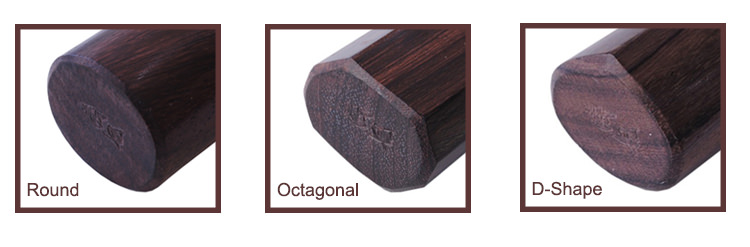
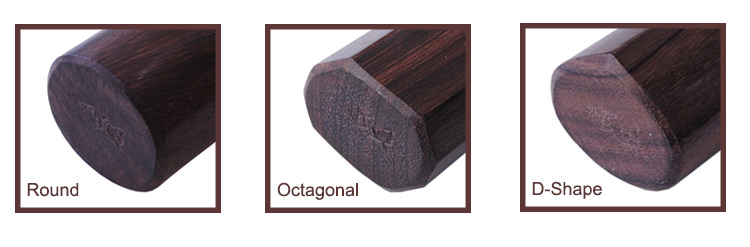
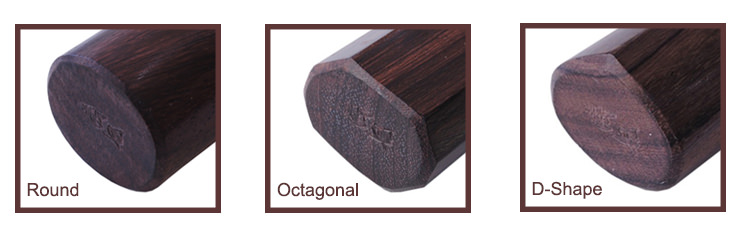
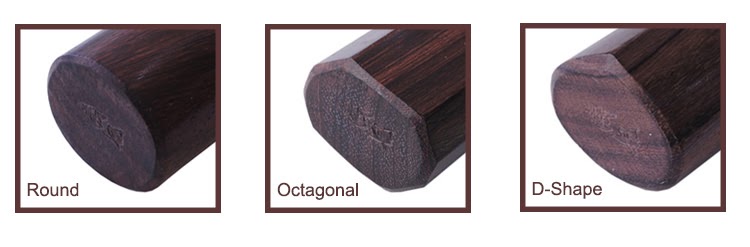
The most common Wa-Handle shapes are the D-shape, oval, or octagonal. While some prefer the ergonomic grip of a D-shaped or octagonal handle, it all comes down to personal preference.

How are Deba knives made?

Deba knives first appeared in the city of Sakai in Osaka during the Edo period at the end of the 19th century. These thick spined knives were originally commissioned by the Portuguese for chopping tobacco prior to exporting, and eventually evolved and gained popularity as the ideal tool to handle fish.

To this day, traditional blacksmiths in Japan still forge Deba knives manually by hand, although many Japanese and Western knife manufacturers now also offer their own version of the Deba knife. The most famous cities in Japan for their knives include Sakai (in Osaka), Seki (in Gifu), and Echizen (in Fukui).

To create a Deba knife by hand in the traditional Japanese way, the blacksmiths begin with blanks of steel, which are heated in the forge and pounded with a power hammer to start giving the Deba knife blade its signature shape. The blade is then quenched in cold water to strengthen the steel. This process is repeated multiple times until the blade takes its desired shape.

After sanding down the rough edges, the forging process is complete. The knife blade is then kilned in the furnace to perfect the steel’s hardness by rearranging the molecular structure of the metal. Once out of the kiln, the blade follows a careful cooling process and is polished. Finally, the blade is hand-pounded to achieve its perfect shape, and returned for a final kilning which sets the steel’s hardness. To complete the knife making process, the blades are sharpened to precision by hand, and the handles are attached.

Most Japanese blacksmiths are proud artisans, often continuing small family businesses that are generations old. Craftsmanship is more highly regarded than volume, and this continuing mentality contributes to the precision of hand-forged Japanese knives, as well as the higher premium costs.

What steel is the Deba knife made from?

There are two distinct types of steel that are used for making the blade of a Deba knife: carbon steel, and stainless steel. The steel that is used to make the blade determines several factors of a knife, including its:

  • Edge retention
  • Ease of sharpening
  • Resistance to corrosion and rusting
  • Overall durability
Japanese Knife Imports – A Primer on Steel

Carbon steel is made by adding carbon to steel that is made from iron ore. Compared to stainless steel blades, carbon steel blades are easier to sharpen and also retain their sharp edge for longer. However, carbon steel blades require regular maintenance and oiling, as they are vulnerable to rust and stains. Over time, a dark patina will form on a carbon-steel knife, and may rust or corrode if the blade is not cleaned and lubricated properly after use.

Stainless steel is made in the same way as carbon steel, but adds chrome to the mix to prevent the material from rusting. Generally speaking, stainless steel blades are generally tougher, less likely to chip, inexpensive and more corrosion-resistant than carbon steel. However, stainless steel blades generally tend to be harder to sharpen and do not retain their sharp edge as well as carbon steel blades.

Most traditional Japanese knives – including the Deba knife – are made from ‘high-carbon’ steel, which has a high carbon content and allows the blacksmiths to forge the steel to high hardness to make it more durable.

Popular High-Carbon Steel for Japanese KnivesPopular Stainless Steels for Japanese Knives
Shirogami- White Steel #1- White Steel #2- White Steel #3Aogami- Blue Steel #1- Blue Steel #2- Blue Super– VG-10- VG-1- SG-2 (Super Gold No. 2)- ZDP-189- AUS-10- Gingami No.3 (Gin-San)- Swedish Stainless Steel

For an in-depth look at how Japanese knives are made, check out our blog on how Japanese knives are made (link coming soon).

What are common variants of Deba knives?

There are several styles of Deba knives. The most popular version is Hon-Deba, which literally means ‘true deba’. This is the thickest and heaviest version of Deba knives, and the most commonly found type of Deba knife.

Other kinds of Deba knives include:

Ko-Deba

小出刃 (literally: ‘small deba’) – also known as Aji-Deba or Ajikiri.

The Ko-Deba is a smaller deba with blade lengths of around 100mm to 120mm. The word ‘Ko’ in Japanese translates to ‘small’ or ‘short’ in English, and this small Ko-Deba is suitable for cleaning and filleting small saltwater and freshwater fish.

Fun fact: The widespread use of Ko-Deba in the coastal areas of Japan to fillet and butterfly Aji, the Japanese horse mackerel, has given it the nickname Aji-Deba or Aji-Kiri.

Ai-Deba

合出刃 (literally: ‘both deba’)

The Ai-Deba is a thinner and lighter version of the Hon-Deba, with a narrower blade that ranges from 135mm to 270mm in length. The word ‘Ai’ in Japanese translates to ‘both’ in English, which refers to the Ai-Deba’s exceptional ability to fillet and slice medium-sized fish with soft bones, such as mackerel. The relatively thin blade makes the Ai-Deba far better at slicing fish than the Hon-Deba.

Yo-Deba

The Yo-Deba (洋出刃 – literally: ‘Western deba’) is a Western-style version of the Hon-Deba, typically featuring a double-bevel edge and a Western-style handle. The blade length of the Yo-Deba ranges from 165mm to 300mm. Just like the Hon-Deba, the Yo-Deba has a thick spine and a heavier weight that is ideal for butchering fish, however the increased bevel angle at the edge does not allow the Yo-Deba to achieve the same level of sharpness as a Hon-Deba.

Kanisaki-Deba

The Kanisaki-Deba (蟹裂出刃 – literally: ‘crab deba’) is a specialized Deba for cutting and filleting shellfish such as lobsters and crabs. The blade length ranges from 180mm to 210mm, however this typically single-bevel knife is especially unique as the cutting edge is ground on the left side for right-handed knives – i.e. on the opposite side to a normal Hon-Deba. This is done to prevent the knife edge from cutting into the crab meat when cutting into the crab’s hard shell.

Mioroshi-Deba

The Mioroshi-Deba (身卸出刃 – literally: ‘filleting deba’) has a thinner and longer blade of 165mm to 330mmin length, and is specifically used for filleting fish. The Mioroshi Deba was originally designed to save Japanese fishermen from having to carry both the Deba and Yanagiba knives on their boats, and is essentially a hybrid between the two knives which is intermediate in thickness, weight and length.

What are popular Deba knife brands?

Deba knives first originated from the city of Sakai in Japan, but are now made by a variety of manufacturers, including:

  • Yoshihiro
  • Shun
  • Wursthof
  • Gesshin Uraku
  • Takamura
  • Masamoto-Sohonten
  • Global
  • Wantanabe
  • Suisin
  • Sakai Takayuki
  • Takeda
  • Mercer
  • Fujiwara
  • Tojiro

How to choose a Deba knife

If you’re in the market for a Deba knife, it can seem difficult to figure out which particular Deba knife will be perfect for you, especially if you haven’t had the chance to try out a few models in person to get a feel for what size and weight of the Deba feels the most balanced and stable in your hand.

You can see our best recommendations here, but here are some factors to first consider that will help you to choose the best Deba knife for you:

  • Types of steel
  • Handle styles
  • Ideal size
  • Your budget

Which steel should I choose for the Deba knife?

The type of steel that your Deba knife is made from will determine key factors such as its:

  • Edge retention
  • Ease of sharpening
  • Resistance to corrosion and rusting
  • Overall durability

Carbon steel blades are easier to sharpen and maintain their sharp edges for longer, but require more maintenance as it is prone to rust and corrosion.

Stainless steel blades are generally less expensive, tougher and corrosion-resistant, however are harder to sharpen and tend to dull quicker.

What is the best handle for a Deba knife?

The handle of your Deba knife will determine how balanced the knife feels in your hand and how comfortable it feels to use.

If you mostly use a handle grip, a shaped or tapered Western-style handle on a Yo-Deba will feel more comfortable, whereas a Japanese-style handle will suit those who use a pinch grip and mainly perform pushing or pulling strokes.
What size Deba knife should I buy?

The best way to know what size your Deba knife should be is to match the blade length to the size of the fish you will be handling.

The common blade size of 180mm will take care of yellowtail and similarly sized fish, whereas smaller fish such as horse mackerel will best suit a Ko-Deba with 120mm blade.

How much should I spend on a Deba knife?

There are countless options for a Deba knife, starting with budget-end Western-style Deba knives to traditionally hand-forged Japanese Deba knives for over $500. Setting your own spending limit will help narrow down your hunt for the best value Deba knife.

If you’re looking for some tried and tested Deba knife recommendations, the Mercer Culinary Asian Collection Deba Knife is a great entry-level choice for under $50. If you want to invest a little more, our favourites include the Tojiro Shirogami 180mm Deba Knife and the Yoshihiro Hongasumi Blue Steel #2 Deba Fish Fillet Knife because they are reputable brands who consistently produce high-quality knives that are great value for White Steel and Blue Steel.

Frequently asked questions

Should I buy a Deba knife?

The Deba knife is a specialized knife for fish, and is a definite recommendation for any professional chef that works with a lot of whole fish, or for the fishing hobbyist who wants to clean and fillet their catch of the day to perfection.

With the right technique, a Deba knife will easily glide through the fish and its bones to minimize waste, preserve the freshness of the fish, and produce satisfying deep and precise cuts with just a few strokes of the hand. The Deba knife is one of the 3 basic Japanese knives, together with the Yanagiba and the Usuba or Nakiri.

How do you sharpen a Deba knife?

As a rule, the Deba knife should only be sharpened using a whetstone when necessary. Here’s an easy to follow guide and video on how to sharpen a Deba knife:

Learn How To Sharpen: Episode 11 – Deba Basics

Who makes the best Deba knife?

At Japanese Knives Guide, we believe that the best Deba knife is one that fits your budget, grip style, expected steel type and your chosen size of the blade. Of course, this will differ from one person to the next, so our ‘best’ recommendations are always those which present great value for money for a relatively new Japanese knife enthusiast.

If you’re new to the world of Japanese knives, our foolproof recommendation is this: before jumping at the first chance to own an expensive, high-end Deba knife, be realistic about the learning curve that is involved for using and caring for Japanese knives.

While the exquisite hand-crafted Deba knives with the hardest and most expensive steel may catch your attention, it’ll become quite a different story when you realize that the hefty price tag also comes with the need to re-learn the basics of cutting straight with a single bevel blade, as well as the high-maintenance care routine that is required for the finest Japanese knives. Rather than dish out a few hundred dollars from the beginning without much experience, why not try your hand with a budget-friendly Deba knife to see if it’s the right fit for you?

Amazon is an accessible and reputable retailer with plenty of Deba knife options, a transparent customer review section and an incredibly generous returns policy, which makes it the perfect hassle-free and worry-free option for first-time owners of a Deba knife. There are many specialized smaller retailers out there, but you’ll be hard pressed to find one that can provide as much peace of mind with the same level of service and returns policy as Amazon.

For just under $50, the Mercer Culinary Asian Collection Deba Knife is a great entry-level choice, and the Tojiro Shirogami 180mm Deba Knife or the Yoshihiro Hongasumi Blue Steel #2 Deba Fish Fillet Knife are some of our favorites as reputable brands who consistently produce high-quality knives that are great value for White Steel and Blue Steel.

Where to buy a Deba knife

For buying a Deba knife, Amazon is our dealer of choice as they’re an accessible and reputable retailer with plenty of Deba knife options. While there are many smaller retailers who specialize in just Japanese knives, you’ll be hard-pressed to find one that can provide as much variety at entry-level prices, as well as hassle-free peace of mind with Amazon’s very generous returns policy.

Some of our top picks for Deba knives include:

Stainless Steel:

High Carbon Steel:

Categories
Traditional Style

Kiritsuke Knife

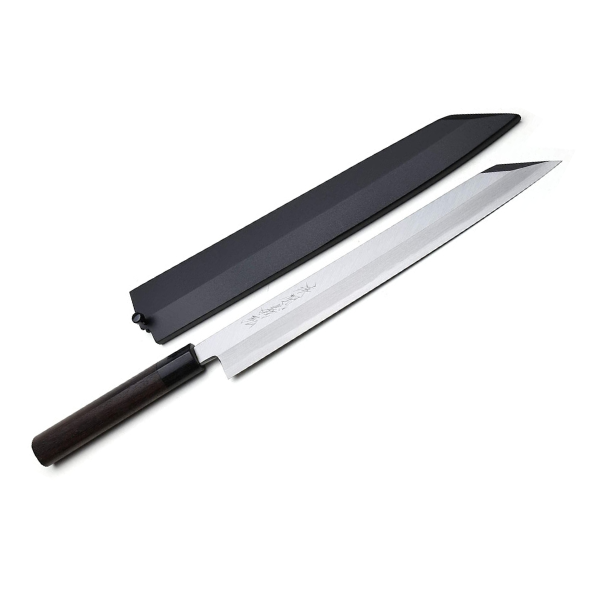
The Kiritsuke is one of the few traditionally multi-purpose Japanese-style knives, and is a hybrid between the Yanagiba (raw fish slicer for sashimi) and the Usuba (Japanese-style vegetable knife). This versatile knife features a long blade like a Yanagiba and a straight cutting edge like an Usuba, resulting in a hybrid design with dual personalities; it can be used like an Usuba for cutting vegetables, or like a Yanagiba to easily slice raw fish. Its long and flat blade, straight edge and angled ‘reverse tanto’ or ‘clip point’ tip lends the Kiritsuke its signature sword shape.

Like most traditional Japanese knives, the Kiritsuke is a single bevel knife, meaning that only one side of the blade is ground to form a razor-sharp edge. A double bevel Kiritsuke usually refers to a variation of the Gyuto knife with a Kiristuke-style edge, and is often labeled as a Kiristuke Gyuto or a K-tip Gyuto.

Because the Kiritsuke is essentially a combination of both Usuba and Yanagiba knives which are developed for very different tasks, considerable skills are required to master the use of this unique Kiritsuke design with its considerable length, height, weight and its single-bevel edge. For this reason, the single bevel Kiritsuke is traditionally reserved for use by only executive chefs in Japanese kitchens, and is regarded as a symbol of status, expertise and seniority.

What does Kiritsuke mean?

Literally translated, ‘Kiritsuke’ in Japanese means to ‘slit open’. True to its name, the long and tall blade combined with its straight, sharp edge and angled ‘reverse tanto’ tip makes the Kiritsuke an all-rounder for preparing Japanese cuisine, such as to slit and finely slice vegetables, or prepare glossy and smooth slices of raw fish for sashimi.

What is a Kiritsuke knife best for?

The Kiritsuke is best for cutting vegetables and slicing fish, just like the Usuba and the Yanagiba. It can also be used to thinly slice or portion boneless proteins, such as chicken. However, it is not a substitute for a Chef’s Knife or the Gyuto, and should not be treated like one.

As one of the few multipurpose traditional Japanese knives, the sword shape of the Kiritsuke features a straighter edge than a Yanagiba for cutting vegetables, and a longer blade than an Usuba to allow the knife to slice fish with ease. The long, flat blade is great for chopping large vegetables, however the straight edge doesn’t allow for the rock-chopping technique that is favored by many Western cooks. Rather, the Kiritsuke requires a pull-cut motion for slicing raw fish and a push-cut motion for slicing vegetables.

Kiritsuke knife characteristics

Size

The single bevel Kiritsuke knife is a versatile knife that can be used to perform tasks usually done by the Yanagiba and Usuba, namely for slicing fish and cutting thin slices of vegetables. The Kiritsuke is available in a variety of blade lengths, ranging from 240mm to 330mm. The larger 270mm size is our recommendation, as it is long enough to perform the long drawing cuts when slicing fish, as is usually done with the Yanagiba.

The Kiritsuke is traditionally taller than a Yanagiba, so if you find a knife with a long and narrow blade and an angled tip, it is most probably not the standard Kiritsuke but the Kensaki Yanagiba, which is also called the Kiritsuke Yanagiba and features the distinct ‘reverse tanto’ tip on a Yanagiba blade.

Shape

The Kiritsuke has a sword-like shape with its long and flat blade, straight edge and angled ‘reverse tanto’ or ‘clip point’ tip. The edge of the blade is straighter than a Yanagiba, and the length of the blade is longer than an Usuba. If you’re familiar with the Kiritsuke Yanagiba (also called the Kensaki Yanagiba), the traditional single bevel Kiritsuke has a similar profile, but is a wider version of the Kiritsuke Yanagiba with more height and a flatter edge.

The heel section of the Kiritsuke is virtually flat, and can be used just like an Usuba. The flat profile of the Kiritsuke works best with a push-cutting technique, and is great for chopping thin slices of vegetables. The angled tip is useful for precise cutting, and the long length of the blade allows you to easily slice through raw fish and proteins in one swift pull-cut, which helps to preserve the texture of the food and minimize damage to the cells which can discolor or change the taste of the food.

Edge

The Kiritsuke knife has a single bevel edge, which means that it is only ground on one side of the blade to achieve an extremely sharp cutting edge. The other side of the blade is slightly concave, which gives the Kiritsuke an unique non-stick property that allows the perfectly thin slices to be removed easily without sticking to the blade. When using a single bevel knife, only the cutting edge of the blade lightly touches the food being cut, making it ideal for preserving the natural freshness, flavor and texture of the food.

However, single bevel knives require a learning process to master cutting straight with this “handed” knife. Right-handed Kiritsukes tend to pull to the left while cutting, whereas left-handed Kiritsukes tend to pull to the right. It should also be noted that most single bevel knives are created for right-handed use, so if you are left-handed, be sure to look for a left-handed Kiritsuke knife.

Handle

Kiritsuke knife handles can be categorized into two categories: the traditional Japanese ‘Wa-Handle’, or a Western-style handle. Most Kiritsuke knives feature a wooden Wa-Handle.

The most common wa-handle shapes are the D-shape, oval, or octagonal. While some prefer the ergonomic grip of a D-shaped or octagonal handle, the choice of the handle comes down to personal preference.

How are Kiritsuke knives made?

To understand how exactly the Kiritsuke knives are made and to decode the common phrases that are found in descriptions of Kiritsuke knives, it’s necessary to look at how traditional Japanese knives are forged and what materials are used.

There are two basic categories of Japanese knives – honyaki and kasumi – which are defined by the materials and methods used in their forging.

Honyaki (“true-forged”) knives are manually forged by hand following traditional Japanese blacksmithing techniques, and are created entirely out of one single material: high-carbon steel (hagane). The hagane is generally a type of White Steel (Shirogami) or Blue Steel (Aogami), and this style of knife blade is also called a mono steel blade.

The method of creating a Honyaki knife is similar to how Katanas (Japanese traditional swords) were made in the past. Forging a Yanagiba knife is a lengthy and difficult manual process that begins with a single high-carbon steel blank, and involves multiple rounds of heat treatment, steel hammering, kilning, polishing and sharpening – all done manually by the hands of skilled Japanese blacksmiths in traditional knife-making cities such as Sakai (in Osaka), Seki (in Gifu), and Echizen (in Fukui).

Because Honyaki knives are forged from high-carbon steel, its blade is extremely hard and can be sharpened to incredibly thin and sharp edges, which will remain sharp for a long time. However, they are challenging to resharpen and prone to chipping, cracking or breaking if used improperly. Due to the small-scale production and the highly-skilled artisan nature of the blacksmiths, Honyaki knives are more expensive, and recommended for experienced and professional chefs who can maintain them.

On the other hand, Kasumi (“mist”) knives are made by joining together a piece of soft iron (jigane) with a piece of high-carbon steel (hagane) to create a laminated blade. After forging, hammering and shaping, the carbon steel (hagane) becomes the cutting edge and backside of the blade, while the soft iron (jigane) forms the body and spine of the blade. The hazy appearance of the soft iron body of the blade in contrast with the glossy carbon steel gives kasumi its signature ‘mist’ appearance, as referenced by its name. Thanks to the added soft iron, Kasumi blades have reduced brittleness overall, and are cheaper and easier to sharpen than honyaki knives.

In relation to kasumi knives, Hon Kasumi or Hongasumi knives are also commonly found, and refers to a higher grade of kasumi knives. Although hongasumi knives are made in the same way as kasumi knives, they are often made from higher quality materials and involve extra attention and steps in its forging, tempering, polishing and finishing processes.

For more information on how Japanese knives are made and the types of steels used, check out our blog on how Japanese knives are made. (link coming soon).

What are common types of Kiritsuke knives?

Kiritsuke knife variants are often a source of confusion, as some retailers tend to ambiguously label different variants as simply ‘Kiritsuke’, when in fact they are a Kensaki Yanagiba (also called Kiritsuke Yanagiba), or a Kiritsuke Gyuto (also called Double Bevel Kiritsuke or K-tip Gyuto). These are the most common types of Kiritsuke knife variants.

Kiritsuke Yanagiba – also called Kensaki Yanagiba

The Kiritsuke Yanagiba is a variant of the Yanagiba knife, and is also called the Kensaki Yanagiba. The Kensaki Yanagiba also features a single-bevel edge and the distinct ‘reverse tanto’ tip, however it has a narrower blade than the Kiritsuke and is specifically designed for slicing raw fish for dishes such as sashimi or nigiri sushi. The blade length ranges from 240mm to 330mm.

Kiritsuke Gyuto – also called Double Bevel Kiritsuke or K-tip Gyuto

The Kiritsuke Gyuto is a variant of the Japanese chef’s knife, the Gyuto, and is often referred to as the Double Bevel Kiritsuke due to the blade being ground on both sides, just like a typical Western-style knife. The Kiritsuke Gyuto is recommended for those who are attracted to the style of the Kiritsuke and its angled ‘reverse tanto’ tip, but are looking for more versatility in terms of use. The double bevel grind also helps users to avoid the learning curve that is associated with single bevel knives.

The Kiritsuke Gyuto tends to have less of a blade curve (or ‘belly’) than the typical Gyuto, making them less ideal for rock-chopping but better suited for push-cutting, or tap-chopping. Kiritsuke Gyuto knives are typically available in blade lengths between 240mm to 330mm, with the 270mm size being a popular alternative to the Gyuto.

If you’re trying to decide between the Kiritsuke and the Gyuto as your next general all-rounder knife, here’s a helpful quick video that highlights the differences between the Kiritsuke and the Gyuto based on their cutting techniques, versatility, ease of use and more:

What are popular Kiritsuke knife brands?

Kiritsuke knives originated from Japan, and to this day, there are traditional Japanese blacksmiths in famous knife-making cities such as Sakai (in Osaka), Seki (in Gifu) and Echizen (in Fukui) who still forge Kiritsuke knives manually by hand. Some popular Kiritsuke knife brands include:

  • Gekko
  • Shun
  • Masamoto
  • Yoshihiro
  • Suisin
  • Tojiro

How to choose a Kiritsuke knife

If you’ve got your heart set on buying a Kiritsuke knife, it can seem difficult to figure out which particular Kiritsuke knife will be perfect for you, especially if you haven’t had the chance to try out a few models in person to get a feel for which size and weight of the Kiritsuke feels the most balanced and comfortable in your hand.

You can see our best recommendations here, but here are some factors to first consider that will help you to choose your Yanagiba knife:

  • Types of steel
  • Handle styles
  • Ideal size
  • Your budget

Which steel should I choose for my Kiritsuke knife?

Generally speaking, you have a choice between carbon steel and stainless steel when buying a Yanagiba knife. The type of steel you choose will determine the knife’s edge retention, how easy it is to sharpen, level of resistance to corrosion and rusting, and its overall durability. You can first evaluate which of these factors is the most important for you, and narrow it down from there.

Carbon-steel blades are easier to sharpen and maintain their sharp edges for longer, but require more maintenance as it is prone to rust and corrosion. Over time, a dark patina will form on a carbon-steel knife, but some people like the look of a patina. Popular options include White Steel (shirogami) and Blue Steel (aogami).

Stainless steel blades are generally less expensive, tougher, less likely to chip and more corrosion-resistant, however are harder to sharpen and tend to dull quicker. Popular options include VG-10, SG-2, AUS-10, Gingami #3 and Swedish Stainless Steel.

What is the best handle for a Kiritsuke knife?

The handle of your Kiritsuke knife will determine how balanced the knife feels in your hand and how comfortable it feels to use.

Consider your usual grip on a knife. If you mostly hold the knife by the handle, a shaped or tapered Western-style handle will feel more comfortable and familiar to you.

If you hold the knife by using a pinch grip, a traditional Japanese-style handle (also called a ‘wa-handle’) will feel great in your hand. The most common wa-handle shapes are the D-shape, oval, or octagonal. While some prefer the ergonomic grip of a D-shaped or octagonal handle, it all comes down to personal preference.

Most traditional Kiritsuke knives have a Japanese-style handle made of wood.

How do I take care of a Kiritsuke knife?

When purchasing a Kiritsuke knife, it’s important to think about how you will care for and maintain your Kiritsuke knife. Kiritsuke knives should only be sharpened with water whetstones, and always be hand washed and dried after use to prevent rusting and corrosion.

There are lots of detailed videos on YouTube which show you step-by-step how to sharpen your Kiritsuke knife. Otherwise, some Kiritsuke knife sellers offer a paid sharpening service by trained Japanese knife sharpeners, which can be a wise option to preserve the sharpness of the single bevel blade.

How much should I spend on a Kiritsuke knife?

There are countless options for a Kiritsuke knife, with many Kiritsuke Gyutos available at entry-level prices to traditionally hand-forged single bevel Kiritsuke knives for over $500. Setting your own spending limit will help narrow down your hunt for the best value Kiritsuke knife.

Because of the steep learning curve related to the single bevel Kiritsuke knife, it is harder to find entry-level priced choices for a single bevel Kiritsuke knife. If you’re looking to try out the Kiritsuke style but feel more comfortable with double bevel knives, the Kiritsuke Gyuto is a nice compromise.

Our favorite entry-level Kiritsuke knives include the Dalstrong Kiritsuke Chef Knife from the Shogun Series with Japanese AUS-10V Super Steel and the Findking Prestige Series 9-Inch Kiritsuke Knife, both of which are good value for the types of steel used. If you’re looking to invest a little more, the Shun Dual Core CG0017 8-Inch Kiritsuke Knife comes highly recommended as the winner of the 2014 Knife of the Year at The Blade Show held in Atlanta, Georgia. Winners are judged on a wide range of criteria such as design, innovation, function and craftsmanship, and selected by the vote of industry professionals, so it’s sure to be a lasting investment piece.

Frequently Asked Questions

Should I buy a Kiritsuke knife?

Traditionally, single bevel Kiritsuke knives are regarded as ‘master chef’ knives and reserved for only the executive chef in Japanese kitchens, as they require a great deal of knife control and skills to master its unique design. If you already have some experience with single bevel knives and are searching for a versatile knife that can be used for both vegetables and fish, the single bevel Kiritsuke knife will meet your needs.

However, as the Kiritsuke is a hybrid knife, some of the exceptional slicing abilities of the Yanagiba and the Usuba are compromised when blended together into the Kiritsuke. If you’re serious about getting the best slices of sashimi or expertly thin slices of vegetables, the Yanagiba, Usuba and Nakiri are our best alternative recommendations. If you wish to own a hybrid of the Yanagiba and Usuba but are hesitant because of the significant learning curve of a single bevel knife, a Kiritsuke Gyuto is a nice compromise.

How do you sharpen a Kiritsuke knife?

Sharpening a Kiritsuke knife should only be done with water whetstones. To sharpen a single bevel knife, follow the bevel and begin at the tip of the knife, followed by the rest of the cutting edge from the tip of the knife to the heel of the blade.

Here’s a quick video on how to sharpen a single bevel knife, which will work on a Kiritsuke as well:

For more information, visit our page on how to sharpen Japanese knives. (link coming soon)

Who makes the best Kiritsuke knife?

At Japanese Knives Guide, we believe that the best Kiritsuke knife is one that fits your budget, grip style, expected steel type and your chosen size of the blade. Of course, this will differ from one person to the next, so our ‘best’ recommendations are always those which present great value for money for a relatively new Japanese knife enthusiast.

If you’re new to the world of Japanese knives, our foolproof recommendation is this: before jumping at the first chance to own an expensive, high-end Kiritsuke knife, be realistic about the learning curve that is involved for using and caring for Japanese knives.

While the exquisite hand-crafted Kiritsuke knives with the hardest and most expensive steel may catch your attention, it’ll become quite a different story when you realize that the hefty price tag also comes with the need to re-learn the basics of cutting straight with a single bevel blade, as well as the high-maintenance care routine that is required for the finest Japanese knives. Rather than dish out a few hundred dollars from the beginning without much experience, why not try your hand with a budget-friendly Kiritsuke knife to see if it’s the right fit for you?

Amazon is an accessible and reputable retailer with plenty of Kiritsuke knife options, a transparent customer review section and an incredibly generous returns policy, which makes it the perfect hassle-free and worry-free option for first-time owners of a Kiritsuke knife. There are many specialized smaller retailers out there, but you’ll be hard pressed to find one that can provide as much peace of mind with the same level of service and returns policy as Amazon.

For those who have never used a Kiritsuke knife before, our recommended entry-level Kiritsuke knives include the Dalstrong Kiritsuke Chef Knife from the Shogun Series with Japanese AUS-10V Super Steel and the Findking Prestige Series 9-Inch Kiritsuke Knife, both of which are good value for the types of steel used.

If you’re looking to invest a little more, the Shun Dual Core CG0017 8-Inch Kiritsuke Knife comes highly recommended as the winner of the 2014 Knife of the Year at The Blade Show held in Atlanta, Georgia. Winners are judged on a wide range of criteria such as design, innovation, function and craftsmanship and selected by votes from industry professionals, so it’s sure to be a lasting investment piece.

Where to buy a Kiritsuke knife

Amazon is our retailer of choice for purchasing a Kiritsuke knife, as they’re easily accessible, have a standing reputation for great customer service and a transparent customer review section and offer a variety of options for Kiritsuke knives

While there are many smaller retailers who specialize in just Japanese knives, Amazon offers a very generous returns policy, so you can make your purchase hassle-free with further peace of mind.

Some of our favorite Kiritsuke knives include:

Categories
Traditional Style

Yanagiba (Sashimi) Knife

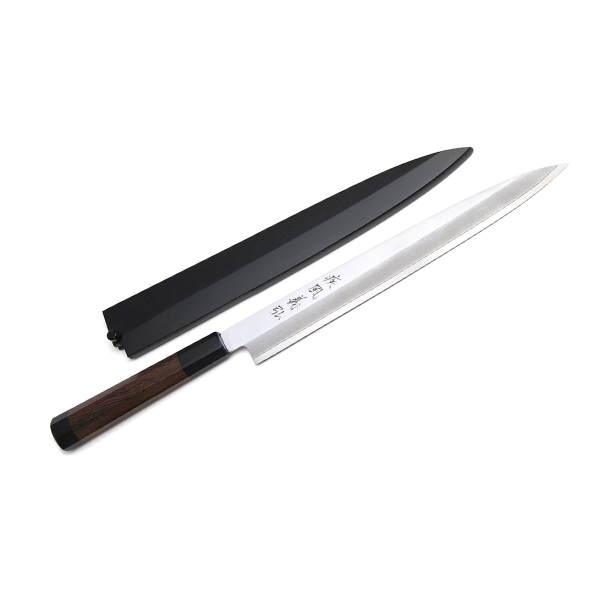
The Yanagiba is a traditional-style Japanese sashimi knife with a thin and long blade that is mainly used to slice boneless fish fillets for sashimi or nigiri sushi. The Yanagiba is also used to fillet small to medium-sized fish or to skin fish. The long and narrow blade typically features a pointed tip and a single bevel edge, making it extremely sharp and perfect for slicing raw fish in one single, long stroke by using a pulling motion from the heel to the tip of the knife.

The Yanagiba is one of the three basic knives of Japanese cuisine, along with the Deba and Usuba. The Yanagiba is a staple for sushi connoisseurs, as the uniquely long and narrow blade with its ultra-sharp edge results in very little cellular damage to the surface of the cut fish when used correctly. This is especially important for raw fish dishes such as sashimi, because it helps to preserve the original flavor and texture of the fish.

What does Yanagiba mean?

Literally translated, ‘Yanagiba’ in Japanese means ‘willow leaf blade’, and refers to the long and slender leaf-shaped blade of the Yanagiba knife. Similarly, the Yanagiba is also sometimes referred to by its alternative name from the Kansai region, ‘Shobu’ meaning ‘iris leaf’, thanks to its resemblance to the spear-shaped leaves of the iris plant.

What is a Yanagiba knife best for?

The Yanagiba knife is best for slicing raw fish, especially for the preparation of sashimi and nigiri sushi dishes where the goal is to have cut surfaces that are smooth, shiny and perfectly even in order to highlight the delicate flavors and textures of the fish.
The characteristically long blade of the Yanagiba allows you to cut through the flesh of the fish in one single swift stroke, using a ‘pulling’ motion that begins at the heel of the knife and ends at the tip. The thinness of the blade means that the knife can be pulled with very little force, which helps to avoid tearing or bruising the flesh of the fish and saves you from ruining the delicate flavor and soft texture of sashimi or nigiri sushi.

Like most traditional Japanese knives, Yanagibas are single bevel knives, meaning that only one side of the blade is ground to form a razor-sharp edge. The other side of the blade is slightly concave, which gives the Yanagiba an unique non-stick property that allows the perfectly smooth and glossy slices of fish to be removed easily without sticking to the blade.

Some common sashimi cutting techniques that can be mastered with a Yanagiba knife include:

  • Hirazukuri (to pull-cut vertically): this perpendicular cut is used for fatty fish such as tuna or salmon, and results in a thicker cut to deliver a satisfying mouthful.
  • Usuzukuri (to pull-cut thin vertically): this style of cut literally means ‘fine cuts’, and is achieved by using the knife to cut extremely thin slices of white fish to emphasize its translucence. The usuzukuri cut is mostly used for white fish, as the thinner cuts allow you to appreciate the bouncy texture of the white fish flesh that would otherwise be lost with a thicker cut.
  • Sogizukuri (to pull-cut at an angle): this clean cut is achieved by using the knife at a 45 degree angle tilt, and is a common cut for most types of sushi.

Take a look at how master sushi chef Hiroyuki Terada uses his Yanagiba knife to expertly slice salmon, tuna and hamachi for sushi and sashimi.

Yanagiba knife characteristics

Size

The Yanagiba knife is specially designed for slicing raw fish in order to prepare sashimi and nigiri sushi. In order to achieve clean cuts that are smooth, shiny and even to maximise the taste, the Yanagiba features a long, thin and narrow blade that allows the user to cut through a fish fillet using just one single long stroke rather than “sawing” back and forth, saving the flesh from being damaged with a serrated cross section.
The Yanagiba is available in several blade lengths from 210mm to 360mm, but on average, a blade length of 270mm to 330mm is most recommended.

Shape

True to its translation of ‘willow leaf blade’, the Yanagiba has a long, thin and narrow blade with a pointed tip that closely resembles the shape of a willow leaf. The thinness of the blade allows you to pull-cut cleanly through the delicate fish flesh with very little force, using mostly only the weight of the knife in one long, drawing stroke. This makes the Yanagiba ideal for achieving perfect glossy sashimi slices with no bruises, as using more force or a thicker blade would lead to tearing and damaging the delicate flesh of the fish.

Edge

The chiseled edge of the Yanagiba’s blade is a distinct feature of traditional Japanese knives, which pays homage to Japanese cuisine and history. Traditional Japanese cuisine aims to preserve and accentuate the true flavors of fresh and seasonal ingredients, which requires the sharpest possible edge to make a smooth, gliding cut.

The Yanagiba’s single-bevel blade is uniquely ground on only one side to achieve a fine and extremely sharp cutting edge. The other side of the blade is slightly concave, which means that only the cutting edge of the blade lightly touches the fish, making it ideal for achieving a smooth sashimi cut that preserves the natural freshness, flavor and texture of the fish.

If you’re new to Japanese knives or haven’t tried using a single bevel knife yet, bear in mind that there is a learning process involved to master cutting straight with this “handed” knife. Right-handed Yanagibas tend to pull to the left while cutting, whereas left-handed Yanagibas tend to pull to the right. It should also be noted that most single bevel knives are created for right-handed use, so if you are left-handed, be sure to look for a left-handed Yanagiba knife.

Handle

Yanagiba knife handles can be categorized into two categories: the traditional Japanese ‘Wa-Handle’, or a Western-style handle. Most Yanagiba knives feature a wooden Wa-Handle.

The most common wa-handle shapes are the D-shape, oval, or octagonal. While some prefer the ergonomic grip of a D-shaped or octagonal handle, the choice of the handle comes down to personal preference.

How are Yanagiba knives made?

Yanagiba knives with their signature long, narrow blade and pointed tip originate from the Kansai region, near the city of Osaka in Western Japan. Traditionally, sushi chefs in West Japan and East Japan used different knives, due to the difference in food culture and local produce.

Those in the Kansai region favored the common Yanagiba with a pointed tip, while those in the Kanto region favored the flat front-tip of a Takohiki knife, which is a variation of the Yanagiba knife that is now primarily used for handling octopus. Nowadays, it is common to see the Yanagiba knife being used by dedicated sushi and sashimi chefs not only in all of Japan, but in the Western world as well due to its impressive slicing abilities.

To understand how exactly these impressive Yanagiba knives are made and to decode the common phrases that are found in descriptions of Yanagiba knives, it’s necessary to look at traditional Japanese knife forging methods and the materials used.

There are two basic categories of Japanese knives – honyaki and kasumi – which are defined by the materials and methods used in their forging.

Honyaki (“true-forged”) knives are manually forged by hand following traditional Japanese blacksmithing techniques, and are created entirely out of one single material: high-carbon steel (hagane). The hagane is generally a type of White Steel (Shirogami) or Blue Steel (Aogami), and this style of knife blade is also called a mono steel blade.

The method of creating a Honyaki knife is similar to how Katanas (Japanese traditional swords) were made in the past. Forging a Yanagiba knife is a lengthy and difficult manual process that begins with a single high-carbon steel blank, and involves multiple rounds of heat treatment, steel hammering, kilning, polishing and sharpening – all done manually by the hands of skilled Japanese blacksmiths in traditional knife-making cities such as Sakai (in Osaka), Seki (in Gifu), and Echizen (in Fukui).

Because Honyaki knives are forged from high-carbon steel, its blade is extremely hard and can be sharpened to incredibly thin and sharp edges, which will remain sharp for a long time. However, they are challenging to resharpen and prone to chipping, cracking or breaking if used improperly. Due to the small-scale production and the highly-skilled artisan nature of the blacksmiths, Honyaki knives are more expensive, and recommended for experienced and professional chefs who can maintain them.

On the other hand, Kasumi (“mist”) knives are made by joining together a piece of soft iron (jigane) with a piece of high-carbon steel (hagane) to create a laminated blade. After forging, hammering and shaping, the carbon steel (hagane) becomes the cutting edge and backside of the blade, while the soft iron (jigane) forms the body and spine of the blade. The hazy appearance of the soft iron body of the blade in contrast with the glossy carbon steel gives kasumi its signature ‘mist’ appearance, as referenced by its name. Thanks to the added soft iron, Kasumi blades have reduced brittleness overall, and are cheaper and easier to sharpen than honyaki knives.

In relation to kasumi knives, Hon Kasumi or Hongasumi knives are also commonly found, and refers to a higher grade of kasumi knives. Although hongasumi knives are made in the same way as kasumi knives, they are often made from higher quality materials and involve extra attention and steps in its forging, tempering, polishing and finishing processes.

For more information on how Japanese knives are made and the types of steels used, check out our blog on how Japanese knives are made. (link coming soon)

What are common variants of Yanagiba knives?

Although the willow leaf-shaped Yanagiba from the Kansai (Osaka) region of Japan is the most commonly used, a variety of regional and task-specific variations of the Yanagiba exist. These include:

Kensaki Yanagiba (剣先柳) – also known as Kiritsuke Yanagiba or Kiritsuke-tip Yanagiba

The Kensaki Yanagiba, also known as the Kiritsuke Yanagiba, has a very similar profile to the regular Yanagiba but has an angled tip that is often called ‘reverse tanto’ or ‘clipped point’ which is useful for precision cutting. The Kensaki Yanagiba is typically a single-bevel knife, and has a blade length ranging from 240mm to 330mm. They are generally slightly heavier than the common Yanagiba.

Takohiki ( 蛸引| Octopus knife) – also known as Takobiki

The Takohiki is a variant of the Yanagiba, and features a blunt, square tip and a straight spine that makes it easier to cut through tough and dense ingredients, such as octopus (called ‘Tako’ in Japanese, hence the name). Takohiki originates from the Kanto region, and is usually lighter, thinner, flatter and shorter in blade height than the Yanagiba. The blade is typically single bevel, and the length usually ranges from 210mm to 390mm.

Sakimaru Takohiki (先丸蛸引 | Round-tipped octopus knife)

The Sakimaru Takohiki is a variation of the Yanagiba and Takohiki knives that is similarly used for achieving clean and precise sushi and sashimi cuts. However, the Sakimaru Takohiki features a slightly rounded tip in a similar shape to those found on a Katana (traditional Japanese samurai sword), which gives it its unique style. The straight spine of the Takohiki and the slightly curved edge like the Yanagiba makes this single-bevel knife a stylish combination of the two. Its blade length ranges from 210mm to 390mm.

Fuguhiki (河豚引 | Blowfish knife) – also known as Fugubiki

The Fuguhiki is a variation of the Yanagiba, but with a thinner, narrower and slightly more flexible blade that is designed to cut extremely thin slices of delicate flesh fish, such as Japanese flounder (hirame) or blowfish (‘fugu’ in Japanese, hence the name). The extremely thin cuts of blowfish made by using a Fuguhiki knife are typically served on a painted plate, so that the design of the plate can be seen through the thin sliced pieces. The single bevel blade ranges from 180mm to 360mm in length.

What are popular Yanagiba knife brands?


The Yanagiba knife originates from the Kansai region near Osaka, and to this day, traditional blacksmiths in Japan still forge Yanagiba knives manually by hand. However, with its rising popularity among sushi chefs, many Japanese and Western knife manufacturers now also offer their own version of the Yanagiba knife as well. The most famous cities in Japan for their knives include Sakai (in Osaka), Seki (in Gifu), and Echizen (in Fukui).

Some popular Yanagiba makers include:

  • Tojiro
  • Masamoto
  • Yoshihiro
  • Sakai Takiyuki
  • Gesshin Uraku
  • Mercer Culinary
  • Shun

How to choose a Yanagiba knife

If you’re in the market for a Yanagiba knife, it can seem difficult to figure out which particular Yanagiba knife will be perfect for you, especially if you haven’t had the chance to try out a few models in person to get a feel for what size and weight of the Yanagiba feels the most balanced and stable in your hand.

You can see our best recommendations here, but here are some factors to first consider that will help you to choose your Yanagiba knife:

  • Types of steel
  • Handle styles
  • Ideal size
  • Your budget

Which steel should I choose for my Yanagiba knife?

Generally speaking, you have a choice between carbon steel and stainless steel when buying a Yanagiba knife.

Carbon steel is made by adding carbon to steel that is made from iron ore. Compared to stainless steel blades, carbon steel blades are easier to sharpen and also retain their sharp edge for longer. However, carbon steel blades require regular maintenance and oiling, as they are vulnerable to rust and stains.

Over time, a dark patina will form on a carbon-steel knife, and may rust or corrode if the blade is not dried, cleaned and lubricated properly after use. Popular options include White Steel (shirogami) and Blue Steel (aogami).

Stainless steel is made in the same way as carbon steel, but adds chrome to the mix to prevent the material from rusting. Stainless steel blades are generally tougher, less likely to chip, inexpensive and corrosion-resistant than carbon steel.

However, stainless steel blades typically tend to be harder to sharpen and do not retain their sharp edge as well as carbon steel blades. Popular options include VG-10, SG-2, AUS-10, Gingami #3 and Swedish Stainless Steel.

What is the best handle for a Yanagiba knife?

The handle of your Yanagiba knife will determine how balanced the knife feels in your hand and how comfortable it feels to use.

Consider your usual grip on a knife. If you mostly hold the knife by the handle, a shaped or tapered Western-style handle will feel more comfortable and familiar to you.

If you hold the knife by using a pinch grip, a traditional Japanese-style handle (also called a ‘wa-handle’) will feel great in your hand. The most common wa-handle shapes are the D-shape, oval, or octagonal. While some prefer the ergonomic grip of a D-shaped or octagonal handle, it all comes down to personal preference.

How do I take care of a Yanagiba knife?

When purchasing a Yanagi knife, it’s important to think about how you will care for and maintain the Yanagi knife. Yanagi knives should only be sharpened with water whetstones, and always hand washed and dried after use to prevent rusting and corrosion.

There are lots of detailed videos on YouTube that show you step-by-step how to sharpen your Yanagiba knife. Otherwise, some Yanagiba knife sellers offer a paid sharpening service by trained Japanese knife sharpeners, which can be a wise option to preserve the sharpness of the single bevel blade.

How much should I spend on a Yanagiba knife?


There are countless options for a Yanagiba knife, starting with budget-end Yanagiba knives to traditionally hand-forged Japanese Yanagiba knives for over $500. Setting your own spending limit will help narrow down your hunt for the best value Yanagiba knife.

If you’re looking for some tried and tested Yanagiba knife recommendations, this Kai Seki Magoroku Kinju AK-1106 240mm Yanagiba knife is a great entry-level choice for under $50. If you’re able to invest a little more, our favourites include the Masahiro Stainless Steel 240mm Yanagiba Knife and the Yoshihiro Shiroko High Carbon Steel Kasumi Yanagi Magnolia Handle Sushi Sashimi Chef Knife because they are reputable brands from Japan that consistently produce high-quality knives which are great value for stainless steel and White Steel #2 respectively.

Frequently asked questions

Should I buy a Yanagiba knife?

Like all Japanese knives, the Yanagiba performs best when doing what it was designed to do: fine slicing perfect cuts of raw fish for sashimi and sushi. If you’re a budding sushi connoisseur who likes to prepare sashimi or sushi, the Yanagiba is sure to be a delightful addition to your sushi-making set as it is the best slicer for raw fish. However, if you’re searching for a more versatile general slicer that is not just for fish, the Sujihiki (see below) may be more suitable.


What is the difference between Sujihiki and Yanagiba?

If you’ve been researching about the Yanagiba knife, chances are you’ve also heard of another kind of Japanese knife, the Sujihiki. Simply put, the Sujihiki is similar to a Yanagiba knife, but features a double bevel blade like most Western-style knives, meaning that the cutting edge is ground on both sides.

The name Sujihiki literally translates to ‘flesh slicer’, and its long blade length combined with its thinness makes it an excellent choice for cutting very thin and straight slices of meat and fish. It is most similar to a Western-style carving knife, but is usually much thinner and sharper.

The Yanagiba knife is single bevel, and is still much better suited than the Sujihiki for slicing raw fish into delicate slices for sashimi and sushi as its edge is sharper, and causes less damage to the cells of the fish flesh. However, the single bevel nature of the Yanagiba means that there is a bigger learning curve to master its proper usage, so the Sujihiki is recommended for those who prefer a double bevel blade and wish to also slice meat into thin pieces as well as fish.

How do you sharpen a Yanagiba knife?

As a rule, the Yanagiba knife should only be sharpened using a whetstone when necessary. Here’s an easy to follow video on how to sharpen a Yanagiba knife:

How To Sharpen Your Yanagiba

For more tips, insights and tricks, visit our page on how to sharpen Japanese knives. (link coming soon)

Who makes the best Yanagiba knife?

At Japanese Knives Guide, we believe that the best Yanagiba knife is one that fits your budget, grip style, expected steel type and your chosen size of the blade. Of course, everybody will have different resources and requirements, so our ‘best’ recommendations are always those which present great value for money.

If you’re new to the world of Japanese knives, our foolproof recommendation is this: before jumping at the first chance to own an expensive, high-end Yanagiba knife, be realistic about the learning curve that is involved for using and caring for Japanese knives.

While the exquisite hand-crafted Yanagiba knives with the hardest and most expensive steel may catch your attention, it’ll become quite a different story when you realize that the hefty price tag also comes with the need to re-learn the basics of cutting straight with a single bevel blade, as well as the high-maintenance care routine that is required for the finest Japanese knives. Rather than dish out a few hundred dollars from the beginning without much experience, why not try your hand with a budget-friendly Yanagiba knife to see if it’s the right fit for you?

Amazon is an accessible and reputable retailer with plenty of Yanagiba knife options, a transparent customer review section and an incredibly generous returns policy, which makes it the perfect hassle-free and worry-free option for first-time buyers of the Yanagiba knife. There are many specialized smaller retailers out there, but you’ll be hard pressed to find one that can provide as much peace of mind with the same level of service and returns policy as Amazon.

With that in mind, this Kai Seki Magoroku Kinju AK-1106 240mm Yanagiba knife is a great entry-level choice for under $50. If you’d like to invest a little more, our favourites include the Masahiro Stainless Steel 240mm Yanagiba Knife and the Yoshihiro Shiroko High Carbon Steel Kasumi Yanagi Magnolia Handle Sushi Sashimi Chef Knife because they are reputable brands from Japan that consistently produce high-quality knives which are great value for stainless steel and White Steel #2 respectively.

Where to buy a Yanagiba knife

Amazon is an accessible and reputable retailer with many Yanagiba knife brands, and offers a very generous returns policy for extra peace of mind.

For under $50, our favourites include the Seki Gold Kotobuki St Sashimi Knife 240mm Ak-1106 and the Kai Wasabi Black Yanagiba Knife which are made in Japan with exceptionally sharp single bevel edges to achieve smooth and glossy slices of fish.

For beginner Japanese knife enthusiasts with a little more budget, we highly recommend the hand-crafted Yoshihiro VGYA240SH Hongasumi VG-10 Stainless Steel Yanagiba as a great high-quality stainless steel option, or the Yoshihiro Shiroko High Carbon Steel Kasumi Yanagiba for outstanding value for White Steel #2. The Yoshihiro brand is renowned for their hand-crafted knives by traditional Japanese artisans, and are known for their durable, high-quality knives that stand the test of time with exceptional performance and value.

Categories
Traditional Style

Usuba (Vegetable) Knife


The Usuba is a traditional Japanese-style vegetable knife with a thin rectangular-shaped blade and a straight blade edge, reminiscent of a small cleaver in its shape. It is specifically designed to cut or make thin sheets of vegetables, and thanks to its single-bevel edge, its sharp blade also makes it easy to cut through firm vegetables without cracking them.

There are two versions of the Usuba knife. The ‘Edo-Usuba’ originates from the Kanto region in Tokyo and has a flat front with a blunt tip, whereas the ‘Kamagata Usuba’ comes from the Kansai region in Osaka and has a spine that curves downwards toward a pointed tip.

What does Usuba mean?

Literally translated, ‘Usuba’ in Japanese means ‘thin edge’ or ‘thin blade’. The thin blade of the Usuba is uniquely ground on just one side (also known as single-bevel or chiseled edge, and kataba in Japanese), which creates its incredibly sharp edge.

When using the Usuba to cut vegetables, only the cutting edge of the blade touches the food, making it ideal for achieving clean cuts while keeping the natural freshness, flavor and texture of the vegetables intact. The Japanese believe that using a specialized knife for each task in the kitchen helps preserve the natural integrity of the ingredients, and ultimately enhance the flavor of the dish.

What is the Usuba knife best for?

The Usuba knife is best for cutting vegetables, especially for making thin sheet cuts of vegetables or for more delicate work such as kazari-giri (decorative cutting). Its sharp and exceptionally thin edge allows chefs to make precise cuts and slice through firm and dense vegetables without cracking them. It’s also an ideal choice when slicing vegetables that are served raw, as the single-bevel blade ensures minimal damage to the vegetable’s cells, which can discolor ingredients and change their flavor.

Due to the sizeable width of the blade and its straight edge, the Usuba is also commonly used for special cutting techniques such as Katsuramaki or rotary peeling, where a cylindrical vegetable (most usually daikon, a Japanese radish) is held and rotated in one hand while the other hand shaves the vegetable into a thin sheet.

Here’s a great example of a sushi master performing the katsuramuki cut on a daikon with a Usuba

Usuba knife characteristics

Size

The Usuba knife has a thin yet broad, long and squarish blade and is available in several blade lengths from 165mm to 240mm. For the average user, a blade length of around 180mm to 210mm is best recommended. However, as the Usuba is widely used for “in-hand cutting” like the Katsuramuki technique, it’s best to try out different sizes in-store (if possible) to get a feel for how balanced the Usuba feels in your hand. Usubas are typically less broad than a Chinese cleaver, and closest in size to a French chef’s knife.

Shape

Usuba, literally meaning ‘thin blade’, characteristically has a thin, rectangular-shaped blade with a completely straight cutting edge. The front of the blade on a Kanto-style Usuba (also called Edo Usuba) is also straight with a blunt tip, while the Kansai-style Usuba (also called Kamagata Usuba) has a downward curved spine at the front of the blade that leads to a pointed tip. With its wide shape and straight blade edge, the Usuba is well suited for the traditional Japanese push style of cutting.

The tall blade of the Usuba is useful as it allows knuckle clearance when chopping on a cutting board. The tall and relatively long blade of the Usuba also makes it the ideal tool for tackling large vegetables such as cabbages or root vegetables, but it is not recommended for cutting vegetables or fruit with extra hard skins as this could damage the blade.

Edge

Like other traditional Japanese-style knives, the Usuba’s blade is sharpened from only one side, a style known as kataba in Japanese, and called single-bevel or chiseled edge in English. Simply put, single-bevel means that the blade is ground on only one side, usually at an acute angle between 10 to 15 degrees. This gives the Usuba its signature sharp edge. In comparison, most German or Western-style knives feature a double-bevel blade (known as ryōba in Japanese) which are usually sharpened at 20 to 30 degrees.

The single-bevel edge means that food can be sliced even thinner and cleaner than with a double-bevel knife, but extra training is required to master the art of cutting straight while controlling the natural steer of a blade which is only sharpened on one side. As most Usubas are sharpened on the right side of the blade for right-handed users, a special order for a Usuba that is sharpened on the left side is required for left-handed users.

Handle

Usuba knife handles can be categorized into two categories: the traditional Japanese ‘Wa-Handle’, or a Western-style handle. Most Usuba knives feature a wooden Wa-Handle.

The most common wa-handle shapes are the D-shape, oval, or octagonal. While some prefer the ergonomic grip of a D-shaped or octagonal handle, the choice of the handle comes down to personal preference.

How are Usuba knives made?

To understand how Usuba knives are made and to decode the common phrases that are found in descriptions of Usuba knives, it’s necessary to know about traditional Japanese knife forging methods and the materials used.

There are two basic categories of Japanese knives – honyaki and kasumi – which are defined by the materials and methods used in their forging.

Honyaki (“true-forged”) knives are manually forged by hand following traditional Japanese blacksmithing techniques, and are created entirely out of one single material: high-carbon steel (hagane). The hagane is generally a type of White Steel (Shirogami) or Blue Steel (Aogami), and this style of knife blade is also called a mono steel blade.

The method of creating a Honyaki knife is similar to how Katanas (Japanese traditional swords) were made in the past. Forging a Usuba knife is a lengthy and difficult manual process that begins with a single high-carbon steel blank, and involves multiple rounds of heat treatment, steel hammering, kilning, polishing and sharpening – all done manually by the hands of skilled Japanese blacksmiths in traditional knife-making cities such as Sakai (in Osaka), Seki (in Gifu), and Echizen (in Fukui).

Because Honyaki knives are forged from high-carbon steel, its blade is extremely hard and can be sharpened to incredibly thin and sharp edges, which will remain sharp for a long time. However, they are challenging to resharpen and prone to chipping, cracking or breaking if used improperly. Due to the small-scale production and the highly-skilled, artisan nature of the blacksmiths, Honyaki knives are more expensive, and recommended for experienced and professional chefs who can maintain them.

On the other hand, Kasumi (“mist”) knives are made by joining together a piece of soft iron (jigane) with a piece of high-carbon steel (hagane) to create a laminated blade. After forging, hammering and shaping, the carbon steel (hagane) becomes the cutting edge and backside of the blade, while the soft iron (jigane) forms the body and spine of the blade. The hazy appearance of the soft iron body of the blade in contrast with the glossy carbon steel gives kasumi its signature ‘mist’ appearance, as referenced by its name. Thanks to the added soft iron, Kasumi blades have reduced brittleness overall, and are cheaper and easier to sharpen than honyaki knives.

In relation to kasumi knives, Hon Kasumi or Hongasumi knives are also commonly found, and refers to a higher grade of kasumi knives. Although hongasumi knives are made in the same way as kasumi knives, they are often made from higher quality materials and involve extra attention and steps in its forging, tempering, polishing and finishing processes.

For more information on how Japanese knives are made and the types of steels used, check out our blog on how Japanese knives are made. (link coming soon).

What are common types of Usuba knives?

There are two main variations of the Usuba knife: the Edo-Usuba and the Kamagata Usuba.

The Edo-Usuba, also known as Kanto-Usuba, originates from the Kanto region in Tokyo and has a square blunt tip, making it look like a small meat cleaver.

The Kamagata-Usuba, also known as the Kansai-Usuba, originates from the Kansai region in Osaka and has a spine that drops downward to the pointed tip. The Kamagata Usaba is particularly popular for doing fine, delicate work on vegetables such as kazari-giri (decorative cutting).

Both kinds of Usuba knives are hefty enough to chop through heavy root vegetables with a clean slice, thanks to its extremely sharp chiseled edge.

What are popular Usuba knife brands?

Usuba knives have their origins based in the Kanto (Tokyo) and Kansai (Osaka) regions, however, Usuba knives are now made by a variety of manufacturers including:

  • Yoshihiro
  • Tojiro
  • Gesshin Uraku
  • Mercer Culinary
  • Shun
  • Masamoto
  • Global

How to choose an Usuba knife

If you’re in the market for an Usuba knife, it can seem difficult to figure out which particular Usuba knife will be perfect for you, especially if you haven’t had the chance to hold a few different models in person to get a feel for what size and weight of the Usuba knife feels the most balanced and stable in your hand.

You can see our best recommendations here, but here are some factors to first consider that will help you to choose your Usuba knife:

  • Types of steel
  • Handle types
  • Ideal size
  • Your budget

Which steel should I choose for my Usuba knife?


Generally speaking, you have a choice between carbon steel and stainless steel when buying an Usuba knife.

Carbon steel is made by adding carbon to steel that is made from iron ore. Compared to stainless steel blades, carbon steel blades are easier to sharpen and also retain their sharp edge for longer. However, carbon steel blades require regular maintenance and oiling, as they are vulnerable to rust and stains. Over time, a dark patina will form on a carbon-steel knife, and may rust or corrode if the blade is not dried, cleaned and lubricated properly after use. Popular options include White Steel (shirogami) and Blue Steel (aogami).

Stainless steel is made in the same way as carbon steel, but adds chrome to the mix to prevent the material from rusting. Stainless steel blades are generally tougher, less likely to chip, inexpensive and corrosion-resistant than carbon steel. However, stainless steel blades typically tend to be harder to sharpen and do not retain their sharp edge as well as carbon steel blades. Popular options include VG-10, SG-2, AUS-10, Gingami #3 and Swedish Stainless Steel.

What is the best handle for an Usuba knife?

When buying an Usuba knife, it’s worthwhile to consider your usual knife grip. Do you prefer to hold the knife only by the handle? Then a standard western handle such as those on Wusthof knives may be the best choice for you. If you prefer the pinch grip, a traditional Japanese handle is the way to go. The three main kinds of Japanese handles are d-shape, round, or octagonal.

What is the best length for an Usuba knife?

The best length for an Usuba knife depends on multiple factors, including the size and strength of your hand, the general size of the vegetables you will cut, and the size of your chopping board. The most commonly recommended size for Usuba knives is a blade length of around 180mm to 210mm.

How do you care for an Usuba knife?


When purchasing an Usuba knife, it’s important to think about how you will care for and maintain the Usuba knife. Usuba knives should only be sharpened with water whetstones, and always hand washed and dried after use to prevent rusting and corrosion.

There are lots of detailed videos on YouTube which show you step-by-step how to sharpen your Usuba knife. Otherwise, some Usuba knife sellers offer a paid sharpening service by trained Japanese knife sharpeners, which may be a wise option to preserve the sharpness of the single bevel blade.

How much should I spend on an Usuba knife?

There are countless options for an Usuba knife, starting with budget-end stainless steel Usuba knives to traditionally hand-forged Japanese Usuba knives for over $500. Setting your own budget before buying an Usuba knife will make it easy to narrow down your options, and avoid over-spending.

If you’re unsure about which Usuba knife is best for you, the Shun Pro 6-1/2-Inch Usuba Knife comes highly recommended and is made of stainless steel for easy maintenance. If you’re convinced by the toughness of high carbon steel, our favorites are the Yoshihiro Shiroko High Carbon Steel Kasumi Edo Usuba with a Magnolia Handle and the Yoshihiro Hongasumi Blue Steel Edo Usuba with Rosewood Handle because Yoshihiro is a reputable Japanese knife brand who are renowned for their artisan craftsmanship and great value for money for White Steel and Blue Steel.

Frequently asked questions

What is the difference between Nakiri and Usuba knives?


The Usuba is often compared to the Nakiri as they share a similar profile and are both Japanese vegetable knives. However, their biggest difference lies in the shape of the cutting edge.

The Usuba is traditionally single-bevel (kataba in Japanese), meaning that the cutting edge is sharpened only from one side. In comparison, the Nakiri is a double-bevel knife (ryōba in Japanese) where both sides of the blade are sharpened.

The sharper single-bevel edge allows the Usuba to cut better and thinner slices than the Nakiri. However, there is a steep learning curve required to master the use of the Usuba, as single-bevel blades tend to steer away from the center, making it hard to make precise cuts in a straight line without some practice. The Usuba is also typically thicker, heavier, higher quality and more expensive than the Nakiri, which is why the Usuba is commonly recommended for professional use and the Nakiri for home use.

Should I buy an Usuba knife?


The Usuba is a very specialized knife that is designed for vegetables in a professional setting, most commonly for the traditional preparation of vegetables for sushi chefs. If you perform a lot of ‘in-hand’ cutting techniques such as the katsuramuki at work, or already have previous experience using single bevel knives, it could be a worthwhile purchase, although the Usuba is more of an accessory knife for a sushi chef. If you’re not cutting vegetables typical to Japanese cuisine, a more versatile and suitable option for cutting vegetables could be the Gyuto or the Nakiri.

How do you sharpen an Usuba knife?

Sharpening an Usuba knife should only be done with water whetstones. To sharpen a single bevel knife, follow the bevel and begin at the tip of the knife, followed by the rest of the cutting edge from the tip of the knife to the heel of the blade.

Here’s a quick video on how to sharpen an Usuba knife

For more information, visit our page on how to sharpen Japanese knives (link coming soon).

Who makes the best Usuba knife?

At Japanese Knives Guide, we believe that the best Usuba knife is one that fits your budget, grip style, expected steel type and your chosen size of the blade. Of course, this will differ from one person to the next, so our ‘best’ recommendations are always those which present great value for money for a relatively new Japanese knife enthusiast.

If you’re new to the world of Japanese knives, our foolproof recommendation is this: before jumping at the first chance to own an expensive, high-end Usuba knife, be realistic about the learning curve that is involved for using and caring for Japanese knives.

While the exquisite hand-crafted Usuba knives with the hardest and most expensive steel may catch your attention, it’ll become quite a different story when you realize that the hefty price tag also comes with the need to re-learn the basics of cutting straight with a single bevel blade, as well as the high-maintenance care routine that is required for the finest Japanese knives. Rather than dish out a few hundred dollars from the beginning without much experience, why not try your hand with a budget-friendly Usuba knife to see if it’s the right fit for you?

Amazon is an accessible and reputable retailer with plenty of Usuba knife options, a transparent customer review section and an incredibly generous returns policy, which makes it the perfect hassle-free and worry-free option for first-time owners of a Usuba knife. There are many specialized smaller retailers out there, but you’ll be hard pressed to find one that can provide as much peace of mind with the same level of service and returns policy as Amazon.

Some of the more popular Usuba knife brands include:

  • Yoshihiro
  • Tojiro
  • Gesshin Uraku
  • Mercer Culinary
  • Shun
  • Masamoto
  • Global

Where to buy an Usuba knife


Amazon is our retailer of choice for purchasing an Usuba knife, as they’re easily accessible, with a standing reputation for great customer service and a variety of options for Usuba knives.

While there are many smaller retailers who specialize in just Japanese knives, you’ll be hard pressed to find one that can provide as much variety at entry-level prices, as well as complete peace of mind with Amazon’s very generous returns policy.

If you’re looking for a stainless steel Usuba for easy maintenance, the Shun Pro 6-1/2-Inch Usuba Knife is our pick for quality you can trust. If you’re convinced by the toughness of high carbon steel, our favorites are the Yoshihiro Shiroko High Carbon Steel Kasumi Edo Usuba with a Magnolia Handle and the Yoshihiro Hongasumi Blue Steel Edo Usuba with Rosewood Handle because Yoshihiro is a reputable Japanese knife brand who are renowned for their artisan craftsmanship and great value for money for White Steel and Blue Steel.